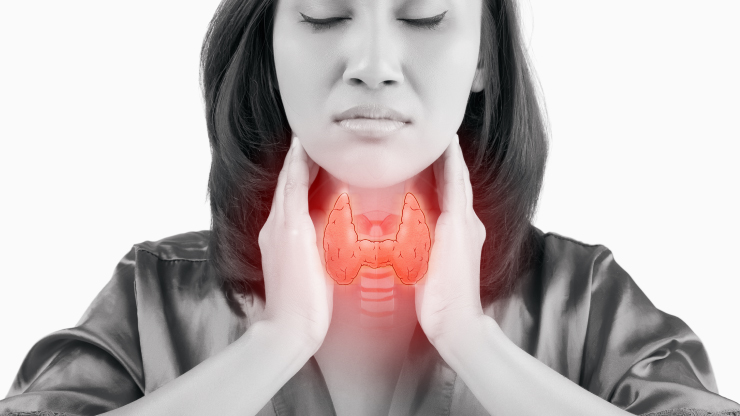
Why So Many Indians Have Thyroid Problems – Causes and Prevention
Thyroid disorders are increasingly common in India, affecting millions of people across all age groups. From hypothyroidism to hyperthyroidism and thyroid nodules, these conditions are often underdiagnosed or misunderstood. But why are thyroid problems so widespread in India? Let's explore the key causes and how you can prevent them.
What is the Thyroid Gland?
The thyroid is a small, butterfly-shaped gland located in the neck. It produces hormones (T3 and T4) that regulate metabolism, energy levels, body temperature, and overall hormonal balance.
When the thyroid doesn't function properly, it can lead to various health issues.
Why Are Thyroid Problems Common in India?
- Iodine Imbalance (Deficiency & Excess)
India has historically faced iodine deficiency, especially in inland regions. Although iodized salt has improved the situation, both too little and too much iodine can affect thyroid function. - High Stress Levels
Modern lifestyle stress, long working hours, and poor sleep patterns can disrupt hormonal balance, indirectly affecting thyroid health. - Poor Dietary Habits
Many Indian diets are low in essential nutrients like selenium, zinc, and iron, and high in processed foods and refined sugars. These nutritional imbalances can impair thyroid hormone production. - Autoimmune Disorders on the Rise
Conditions like Hashimoto's Thyroiditis and Graves' Disease are becoming more common. In these disorders, the immune system attacks the thyroid gland, leading to dysfunction. - Environmental Pollution
Exposure to pollutants, chemicals, and endocrine-disrupting toxins (like pesticides and plastics) may interfere with thyroid function. - Genetic Predisposition
Family history plays a major role. If thyroid problems run in your family, your risk is higher. - Hormonal Changes in Women
Women are more likely to develop thyroid disorders due to pregnancy, menstrual cycle changes, and menopause. This makes thyroid issues especially common among Indian women. - Sedentary Lifestyle
Lack of physical activity contributes to obesity and metabolic disorders, which are closely linked to thyroid dysfunction.
Common Types of Thyroid Disorders
- Hypothyroidism: Underactive thyroid (weight gain, fatigue, depression)
- Hyperthyroidism: Overactive thyroid (weight loss, anxiety, rapid heartbeat)
- Thyroid Nodules: Lumps in the thyroid gland
- Goiter: Enlargement of the thyroid
Symptoms You Should Not Ignore
- Unexplained weight changes
- Constant fatigue
- Hair fall and dry skin
- Mood swings or depression
- Irregular periods
- Sensitivity to cold or heat
If you notice these symptoms, it's important to get tested.
How to Prevent Thyroid Problems
- Maintain a Balanced Diet
Include foods rich in iodine (iodized salt, dairy), selenium (nuts, seeds), zinc (whole grains, legumes), and iron (green leafy vegetables). - Avoid Excess Processed Foods
Limit junk food, sugary snacks, and packaged items that can disrupt hormonal balance. - Manage Stress Effectively
Practice yoga, meditation, and maintain regular sleep cycles. Stress reduction plays a key role in hormone regulation. - Exercise Regularly
Aim for at least 30 minutes of physical activity daily to support metabolism and hormonal health. - Get Regular Health Check-ups
Routine thyroid tests (TSH, T3, T4) can help detect problems early—even before symptoms appear. - Be Cautious with Supplements
Avoid taking iodine or thyroid-related supplements without medical advice, as excess intake can be harmful. - Reduce Exposure to Toxins
Wash fruits and vegetables properly, avoid plastic containers for hot food, and use clean drinking water.
Key Takeaway
The rising number of thyroid problems in India is due to a combination of diet, lifestyle, stress, environmental factors, and genetics. The good news is that many of these risks can be managed with simple lifestyle changes and early diagnosis.
Being aware of the causes and taking preventive steps can help you maintain a healthy thyroid and overall well-being.

Dr. Farheen Khan
MS (General Surgery), CMC Vellore
MCh (Endocrine Surgery), SGPGI Lucknow
Expert Endocrine Surgeon in Delhi NCR