Benign breast diseases – symptoms, diagnosis & treatment by breast specialist
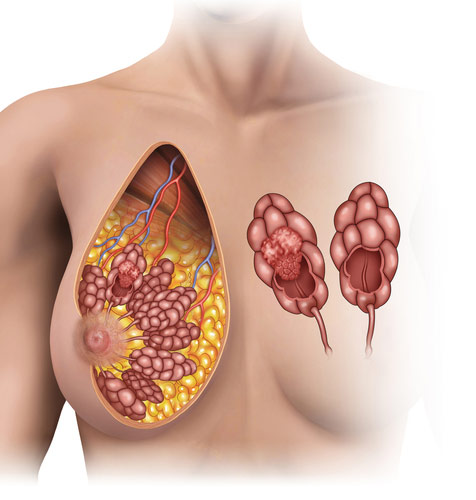
Benign breast diseases are non-cancerous conditions affecting breast tissue. They are very common among women of all ages and often present as breast lumps, pain, nipple discharge, or changes in breast texture.
The term "benign" means not cancer, but proper evaluation by a qualified breast specialist is essential to rule out malignancy and ensure appropriate treatment.
Most benign breast conditions are harmless and manageable with medication, monitoring, or minor procedures.
Common types of benign breast diseases
1. Fibroadenoma
A fibroadenoma is a solid, painless, movable lump commonly seen in young women (15–35 years).
- Smooth and rubbery texture
- Usually non-tender
- Hormone-sensitive
Small fibroadenomas may only require monitoring, while larger ones may need surgical removal.
2. Breast cysts
Breast cysts are fluid-filled sacs within breast tissue.
- Common in women aged 35–50
- May cause tenderness
- Can fluctuate with menstrual cycle
Simple cysts are usually harmless and may disappear naturally.
3. Fibrocystic breast changes
This condition causes:
- Breast heaviness
- Lumpiness
- Cyclical breast pain
- Swelling before periods
It is related to hormonal fluctuations and is not cancerous.
4. Mastitis
Mastitis is an infection of the breast tissue, commonly seen in breastfeeding women.
Symptoms include:
- Redness
- Warmth
- Fever
- Pain
It requires antibiotics and medical supervision.
5. Duct ectasia
This condition occurs when milk ducts become widened and blocked.
- Sticky nipple discharge
- Nipple inversion
- Localized discomfort
6. Breast abscess
A localized collection of pus in the breast, often following untreated mastitis. It may require drainage.
Symptoms of benign breast conditions
- Palpable lump
- Breast pain (mastalgia)
- Nipple discharge
- Skin thickening
- Breast swelling
- Change in breast shape
Although most lumps are benign, any new lump must be evaluated promptly.
How are benign breast diseases diagnosed?
A breast specialist typically recommends:
- Clinical breast examination
- Ultrasound scan
- Mammography (if age appropriate)
- FNAC (Fine Needle Aspiration Cytology)
- Core needle biopsy (if required)
Early diagnosis helps avoid unnecessary anxiety and ensures accurate treatment.
Treatment options
Treatment depends on the specific condition:
- Observation and follow-up
- Pain management medications
- Hormonal therapy (in selected cases)
- Antibiotics (for infections)
- Aspiration of cyst
- Surgical removal (if symptomatic or large lump)
Most benign conditions do not require major surgery.
Are benign breast diseases linked to cancer?
In most cases, benign breast diseases do not increase the risk of breast cancer. However:
- Certain proliferative conditions may carry a slight risk
- Regular screening is recommended
- Any suspicious changes must be evaluated
Routine breast check-ups and awareness are important.
When to consult a breast specialist?
You should consult a doctor if you notice:
- A new breast lump
- Persistent breast pain
- Bloody nipple discharge
- Skin dimpling
- Sudden change in breast size or shape
Early medical evaluation provides reassurance and timely care.
Prevention & breast health tips
- Perform regular self-examinations
- Maintain healthy body weight
- Reduce caffeine if breast pain occurs
- Wear supportive bras
- Schedule regular breast screenings
Awareness and early consultation are key to maintaining breast health.
Book a consultation
If you notice any breast changes, consult a qualified breast specialist or oncosurgeon for proper evaluation and reassurance. Most benign breast conditions are easily treatable when diagnosed early.

Dr. Farheen Khan
MS (General Surgery), CMC Vellore
MCh (Endocrine Surgery), SGPGI Lucknow
Expert Endocrine Surgeon in Delhi NCR