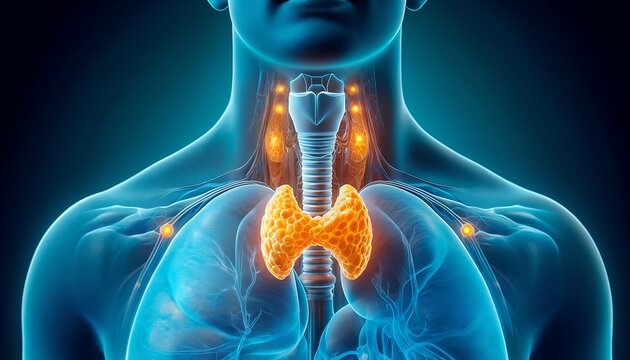
Parathyroid surgery – expert care by an endocrine surgeon
Parathyroid surgery (Parathyroidectomy) is a specialized procedure performed to treat disorders of the parathyroid glands—four small glands located behind the thyroid in the neck. These glands regulate calcium levels in the blood by producing parathyroid hormone (PTH).
When one or more glands become overactive (a condition called hyperparathyroidism), excess PTH leads to high calcium levels, causing symptoms such as kidney stones, bone weakness, fatigue, and digestive problems.
An experienced endocrine surgeon is specially trained to diagnose and surgically treat parathyroid, thyroid, adrenal, and other hormone-related conditions with precision and safety.
Why is parathyroid surgery needed?
Parathyroid surgery is recommended in cases of:
- Primary Hyperparathyroidism (most common)
- Parathyroid adenoma (benign tumor)
- Parathyroid hyperplasia (enlargement of multiple glands)
- Rare parathyroid cancer
- Recurrent kidney stones due to high calcium
- Severe osteoporosis caused by excess PTH
If left untreated, high calcium levels can affect the kidneys, bones, heart, and brain.
Symptoms of hyperparathyroidism
Patients often experience:
- Persistent fatigue
- Bone pain or fractures
- Kidney stones
- Frequent urination
- Abdominal pain
- Depression or mood changes
- Memory issues
- Muscle weakness
Sometimes, the condition is detected during routine blood tests before symptoms appear.
How is the condition diagnosed?
An endocrine surgeon will typically recommend:
- Serum calcium test
- Parathyroid hormone (PTH) levels
- Vitamin D levels
- 24-hour urine calcium test
- Neck ultrasound
- Sestamibi scan (parathyroid scan)
- DEXA scan (bone density test)
Proper pre-operative localization ensures a targeted and minimally invasive procedure.
Types of parathyroid surgery
1. Minimally invasive parathyroidectomy
- Small incision (2–3 cm)
- Focused removal of abnormal gland
- Shorter surgery time
- Faster recovery
2. Bilateral neck exploration
- All four glands examined
- Recommended if imaging is unclear or multiple glands are involved
An experienced endocrine surgeon uses intraoperative PTH monitoring to confirm successful removal.
Why choose an endocrine surgeon for parathyroid surgery?
Parathyroid surgery requires detailed knowledge of neck anatomy and hormone regulation. Choosing a specialized endocrine surgeon ensures:
- Higher success rates
- Lower complication risk
- Better cosmetic results
- Advanced imaging interpretation
- Expertise in complex and reoperative cases
Studies show that surgeons who frequently perform endocrine surgeries have better patient outcomes.
Procedure overview
- Duration: 1–2 hours
- Anesthesia: General anesthesia
- Hospital Stay: Same day or 24 hours
- Recovery: 1–2 weeks
- Scar: Small and cosmetically placed in neck crease
Most patients experience immediate normalization of calcium levels.
Risks of parathyroid surgery
Although safe in expert hands, potential risks include:
- Temporary low calcium levels (hypocalcemia)
- Hoarseness due to nerve irritation
- Bleeding
- Infection
- Rare recurrence
Careful surgical technique minimizes these risks.
Recovery after parathyroid surgery
- Mild throat discomfort for a few days
- Return to normal activity within a week
- Calcium supplements may be prescribed temporarily
- Follow-up blood tests to monitor calcium and PTH
Patients often report improved energy levels within days.
When to consult an endocrine surgeon?
You should consult an endocrine surgeon if you have:
- Persistently high calcium levels
- Recurrent kidney stones
- Bone thinning or osteoporosis
- Unexplained fatigue with elevated PTH
Early evaluation ensures timely and effective treatment.
Book a consultation
If you are diagnosed with hyperparathyroidism or have high calcium levels, consult a qualified endocrine surgeon for expert evaluation and minimally invasive treatment options.
Early diagnosis and specialized surgical care can restore your calcium balance and improve your quality of life.

Dr. Farheen Khan
MS (General Surgery), CMC Vellore
MCh (Endocrine Surgery), SGPGI Lucknow
Expert Endocrine Surgeon in Delhi NCR