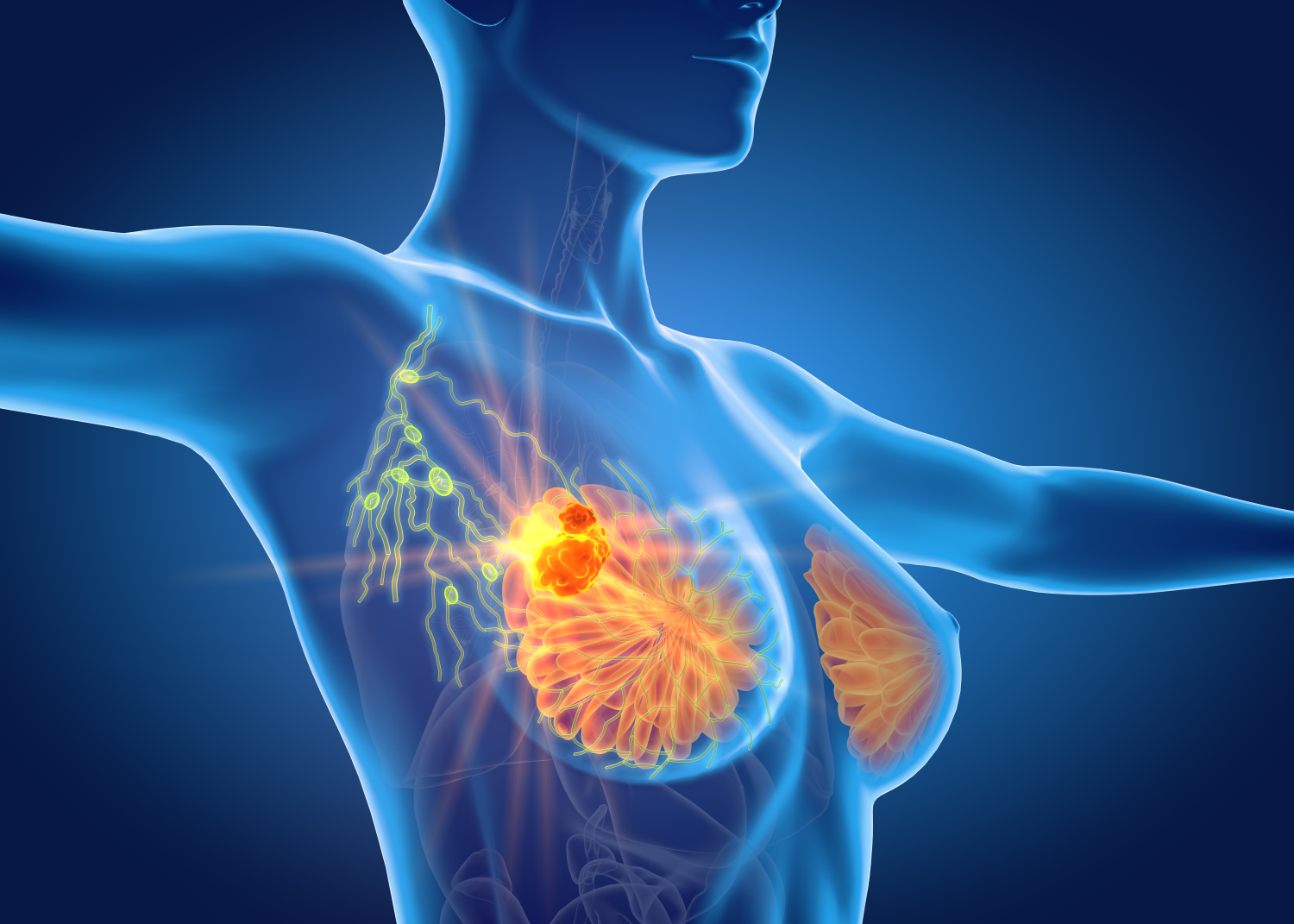
Breast oncoplastic surgery – advanced breast cancer treatment with cosmetic excellence
Breast Oncoplastic Surgery is an advanced surgical technique that combines breast cancer removal with cosmetic breast reshaping in a single procedure. It ensures complete tumor excision while maintaining or improving the natural appearance of the breast.
This approach is performed by a skilled breast and oncoplastic surgeon trained in both cancer surgery and reconstructive techniques. The goal is to achieve:
- Complete cancer removal
- Clear surgical margins
- Symmetrical and natural-looking breasts
- Improved psychological well-being
Oncoplastic surgery is often used during breast-conserving surgery (lumpectomy) or in selected mastectomy cases.
Why choose oncoplastic breast surgery?
Traditional breast cancer surgery sometimes leaves visible deformities or asymmetry. Oncoplastic techniques allow:
- Removal of larger tumors without compromising shape
- Immediate reshaping of breast tissue
- Reduction in post-surgical deformity
- Better cosmetic and emotional outcomes
This technique reduces the need for secondary corrective surgeries.
Who is a candidate for oncoplastic surgery?
You may be a suitable candidate if:
- You are diagnosed with early-stage breast cancer
- You are undergoing breast-conserving surgery
- The tumor size is moderate relative to breast size
- You desire better cosmetic results after cancer treatment
- You are medically fit for surgery
Each case requires detailed evaluation by a breast cancer specialist.
Types of oncoplastic techniques
1. Volume displacement techniques
The remaining breast tissue is reshaped after tumor removal. Often combined with breast lift or reduction techniques.
2. Volume replacement techniques
Tissue from another part of the body is used to fill the defect if a large portion of breast tissue is removed.
3. Symmetry surgery
The opposite breast may be reshaped for balance and symmetry.
Procedure overview
- Anesthesia: General anesthesia
- Duration: 2–4 hours
- Hospital Stay: 1–2 days
- Recovery: 2–3 weeks
- Scarring: Carefully planned to be discreet
The removed tumor is sent for pathology to ensure complete cancer clearance.
Benefits of breast oncoplastic surgery
- Complete cancer treatment
- Improved breast symmetry
- Reduced deformity after lumpectomy
- Better emotional recovery
- Fewer corrective surgeries later
- Enhanced body image and confidence
Patients report higher satisfaction compared to standard lumpectomy alone.
Is oncoplastic surgery safe?
Yes. When performed by an experienced breast oncosurgeon, it is safe and oncologically sound. Cancer control remains the top priority, with cosmetic enhancement as an added benefit.
Possible risks include:
- Infection
- Swelling
- Temporary numbness
- Delayed wound healing
- Rare need for additional surgery
Proper surgical planning minimizes complications.
Recovery after oncoplastic surgery
- Mild discomfort for a few days
- Surgical drains may be placed temporarily
- Support bra recommended
- Avoid heavy lifting for 4–6 weeks
- Radiation therapy may follow, if advised
Most patients return to daily activities within 2–3 weeks.
Why choose an experienced breast oncoplastic surgeon?
Selecting a specialized breast cancer surgeon ensures:
- Expertise in cancer clearance
- Advanced reconstructive techniques
- Multidisciplinary treatment planning
- Improved aesthetic and oncological outcomes
- Personalized patient-centered care
Experience plays a crucial role in achieving safe and beautiful results.
Book a consultation
If you or a loved one has been diagnosed with breast cancer, consult a qualified breast oncoplastic surgeon to explore advanced treatment options that prioritize both cancer cure and cosmetic excellence.

Dr. Farheen Khan
MS (General Surgery), CMC Vellore
MCh (Endocrine Surgery), SGPGI Lucknow
Expert Endocrine Surgeon in Delhi NCR