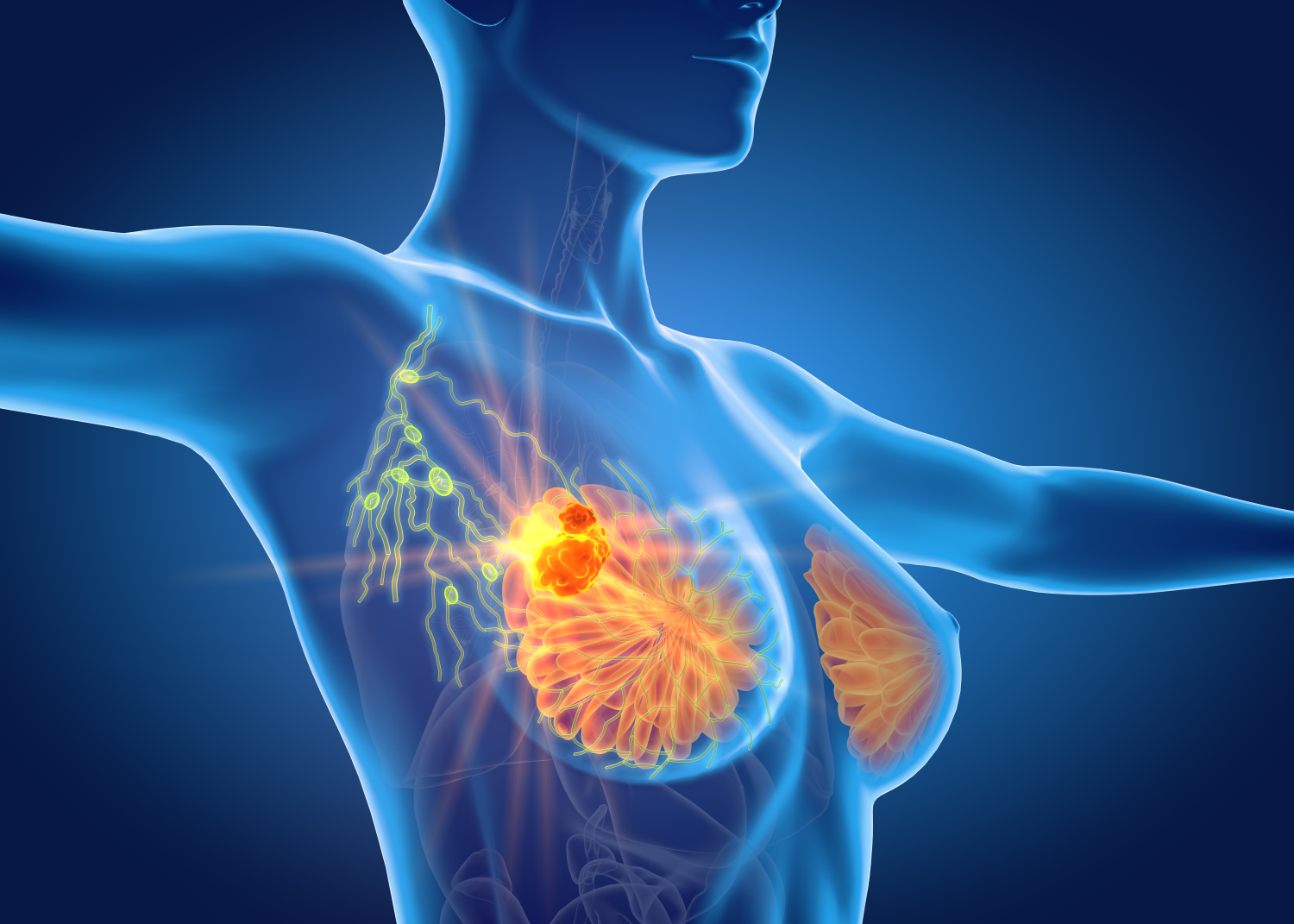
Breast Cancer Treatment
Breast cancer is a condition in which abnormal cells in the breast grow uncontrollably and form a tumor. It can occur in both women and men, though it is far more common in women. According to the World Health Organization, breast cancer is one of the most commonly diagnosed cancers worldwide.
Early detection and timely treatment significantly improve survival rates. With advancements in medical science, breast cancer treatment today is more personalized, effective, and less invasive than ever before.
Types of Breast Cancer
Understanding the type of breast cancer is crucial because treatment depends on it.
- Ductal Carcinoma In Situ (DCIS) – Non-invasive cancer confined to milk ducts.
- Invasive Ductal Carcinoma (IDC) – The most common type that spreads beyond ducts.
- Invasive Lobular Carcinoma (ILC) – Starts in milk-producing lobules.
- Triple-Negative Breast Cancer – A more aggressive form lacking hormone receptors.
- HER2-Positive Breast Cancer – Cancer with high levels of HER2 protein.
Your oncologist may perform a biopsy and lab tests to determine hormone receptor status (ER, PR) and HER2 status, which guide treatment decisions.
Symptoms of Breast Cancer
- Lump in the breast or underarm
- Change in breast size or shape
- Skin dimpling or redness
- Nipple discharge (other than breast milk)
- Nipple inversion or pain
If you notice any of these symptoms, consult a specialist immediately.
How Breast Cancer Is Diagnosed
Diagnosis usually involves:
- Clinical breast examination
- Mammography
- Ultrasound
- MRI (if required)
- Biopsy (to confirm cancer type and stage)
Staging ranges from Stage 0 to Stage IV. The stage indicates how far the cancer has spread and helps determine the best treatment plan.
Breast Cancer Treatment Options
Treatment depends on the stage, type, genetic markers, overall health, and patient preference. Most patients receive a combination of therapies.
1. Surgery
Surgery is often the first line of treatment.
Types of Surgery:
- Lumpectomy – Removes only the tumor and a small margin of surrounding tissue.
- Mastectomy – Removes the entire breast.
- Sentinel Lymph Node Biopsy – Checks if cancer has spread to lymph nodes.
- Axillary Lymph Node Dissection – Removes more lymph nodes if cancer is detected.
Breast reconstruction surgery may be done immediately or later for cosmetic and psychological benefits.
2. Chemotherapy
Chemotherapy uses anti-cancer drugs to destroy cancer cells. It may be given:
- Before surgery (neoadjuvant chemotherapy) to shrink tumors
- After surgery (adjuvant chemotherapy) to reduce recurrence risk
- For advanced-stage breast cancer
Common side effects include hair loss, nausea, fatigue, and lowered immunity. Modern medications help manage these side effects effectively.
3. Radiation Therapy
Radiation therapy uses high-energy rays to kill remaining cancer cells after surgery. It is commonly recommended after lumpectomy and sometimes after mastectomy.
Treatment usually lasts 3–6 weeks and is painless. Side effects may include skin irritation and mild fatigue.
4. Hormone Therapy
If the cancer is hormone receptor-positive (ER or PR positive), hormone therapy is prescribed to block estrogen's effect on cancer cells.
Common medications include:
- Tamoxifen
- Aromatase inhibitors
Hormone therapy is typically taken for 5–10 years to prevent recurrence.
5. Targeted Therapy
Targeted therapy attacks specific proteins that promote cancer growth.
For HER2-positive breast cancer, targeted drugs such as trastuzumab are highly effective. These therapies are more precise and often have fewer side effects compared to chemotherapy.
6. Immunotherapy
Immunotherapy boosts the body's immune system to fight cancer. It is particularly useful in some cases of triple-negative breast cancer.
Personalized Treatment Approach
Modern breast cancer care follows a personalized treatment model. Doctors consider:
- Tumor biology
- Genetic testing results
- Age and menopausal status
- Overall health condition
- Patient preferences
Multidisciplinary teams including oncologists, surgeons, radiologists, and pathologists work together to create the best treatment plan.
Side Effects and Management
Each treatment has potential side effects. However, most are temporary and manageable.
Common Side Effects:
- Hair loss
- Fatigue
- Nausea
- Menopausal symptoms
- Risk of infection
- Lymphedema (arm swelling after lymph node removal)
Supportive medications, physiotherapy, nutritional guidance, and counseling can significantly improve quality of life during treatment.
Recovery and Follow-Up Care
After completing treatment:
- Regular follow-up visits are essential
- Mammograms may be scheduled annually
- Lifestyle changes are recommended
- Monitoring for recurrence is important
Early detection of recurrence ensures better outcomes.
Lifestyle Tips During and After Treatment
- Eat a balanced, protein-rich diet
- Stay physically active (as advised by your doctor)
- Avoid smoking and alcohol
- Maintain a healthy weight
- Practice stress-reduction techniques like yoga and meditation
Emotional support from family, support groups, and mental health professionals is equally important.
Survival Rate and Prognosis
Breast cancer survival rates have significantly improved over the past decade. When detected early (Stage I or II), survival rates exceed 90%.
Advanced breast cancer can also be managed effectively with modern therapies, allowing many patients to live longer and maintain a good quality of life.
When to See a Breast Cancer Specialist
Consult a breast specialist if you:
- Notice a lump or unusual breast changes
- Have a family history of breast cancer
- Carry BRCA gene mutations
- Are above 40 and have not undergone regular screening
Early screening saves lives.

Dr. Farheen Khan
MS (General Surgery), CMC Vellore
MCh (Endocrine Surgery), SGPGI Lucknow
Expert Endocrine Surgeon in Delhi NCR