Thyroid disorders treatment by expert endocrine surgeon
Thyroid disorders are common hormonal conditions that affect metabolism, energy levels, weight, heart rate, and overall well-being. When medications are not enough or when nodules, goiter, or thyroid cancer are diagnosed, consulting an experienced endocrine surgeon is essential for safe and effective treatment.
An endocrine surgeon specializes in surgical management of thyroid, parathyroid, and adrenal gland disorders, offering precise diagnosis and advanced surgical care.
What are thyroid disorders?
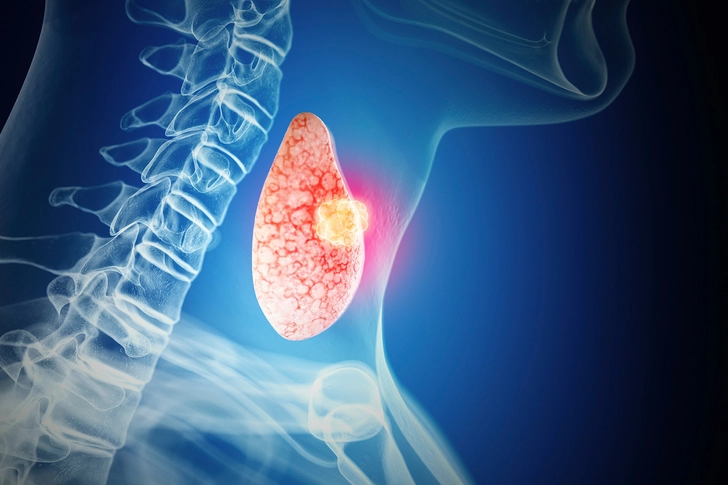
The thyroid is a small butterfly-shaped gland located in the front of the neck. It produces hormones that regulate the body's metabolism.
Common thyroid disorders include:
-
Hypothyroidism
A condition where the thyroid produces too little hormone.
Symptoms: Weight gain, fatigue, hair fall, constipation, dry skin, depression. -
Hyperthyroidism
Overproduction of thyroid hormones.
Symptoms: Weight loss, palpitations, anxiety, tremors, excessive sweating. -
Thyroid nodules
Lumps in the thyroid gland. Most are benign, but some may require biopsy or surgery.
-
Goiter
Enlargement of the thyroid gland, which may cause neck swelling or difficulty swallowing.
-
Thyroid cancer
Cancer arising from thyroid cells. Early diagnosis and surgery offer excellent outcomes.
When should you see an endocrine surgeon?
You may need an endocrine surgeon if you have:
- Suspicious or cancerous thyroid nodules
- Large goiter causing breathing or swallowing problems
- Recurrent thyroid cysts
- Hyperthyroidism not controlled with medication
- Confirmed thyroid cancer
- Indeterminate biopsy reports
An experienced endocrine surgeon ensures nerve preservation, minimal scarring, and faster recovery.
Thyroid surgery options
- Hemithyroidectomy: Removal of one lobe of the thyroid.
- Total thyroidectomy: Complete removal of the thyroid gland.
- Minimally invasive thyroid surgery: Smaller incisions, less pain, quicker recovery.
- Lymph node dissection (for thyroid cancer): Removal of affected lymph nodes if cancer has spread.
Why choose an endocrine surgeon for thyroid surgery?
Unlike general surgeons, endocrine surgeons have specialized training in hormone-related gland surgery, ensuring:
- Better cosmetic outcomes
- Reduced risk of vocal cord nerve injury
- Precise removal of cancer
- Expert management of complex thyroid cases
Advanced diagnosis & evaluation
Diagnosis may include:
- Thyroid function tests (TSH, T3, T4)
- Ultrasound neck
- FNAC (Fine Needle Aspiration Cytology)
- CT/MRI (if required)
- Radioiodine scan
Recovery after thyroid surgery
- Most patients are discharged within 24–48 hours
- Minimal pain with modern surgical techniques
- Thyroid hormone replacement may be required
- Regular follow-up ensures optimal recovery
Book a consultation with an expert endocrine surgeon
Early diagnosis and timely surgical management can prevent complications and improve quality of life. If you are experiencing thyroid-related symptoms or have been advised surgery, consult a skilled endocrine surgeon for personalized evaluation and advanced treatment options.

Dr. Farheen Khan
MS (General Surgery), CMC Vellore
MCh (Endocrine Surgery), SGPGI Lucknow
Expert Endocrine Surgeon in Delhi NCR