Adrenal gland disorders – symptoms, diagnosis & treatment by endocrine surgeon
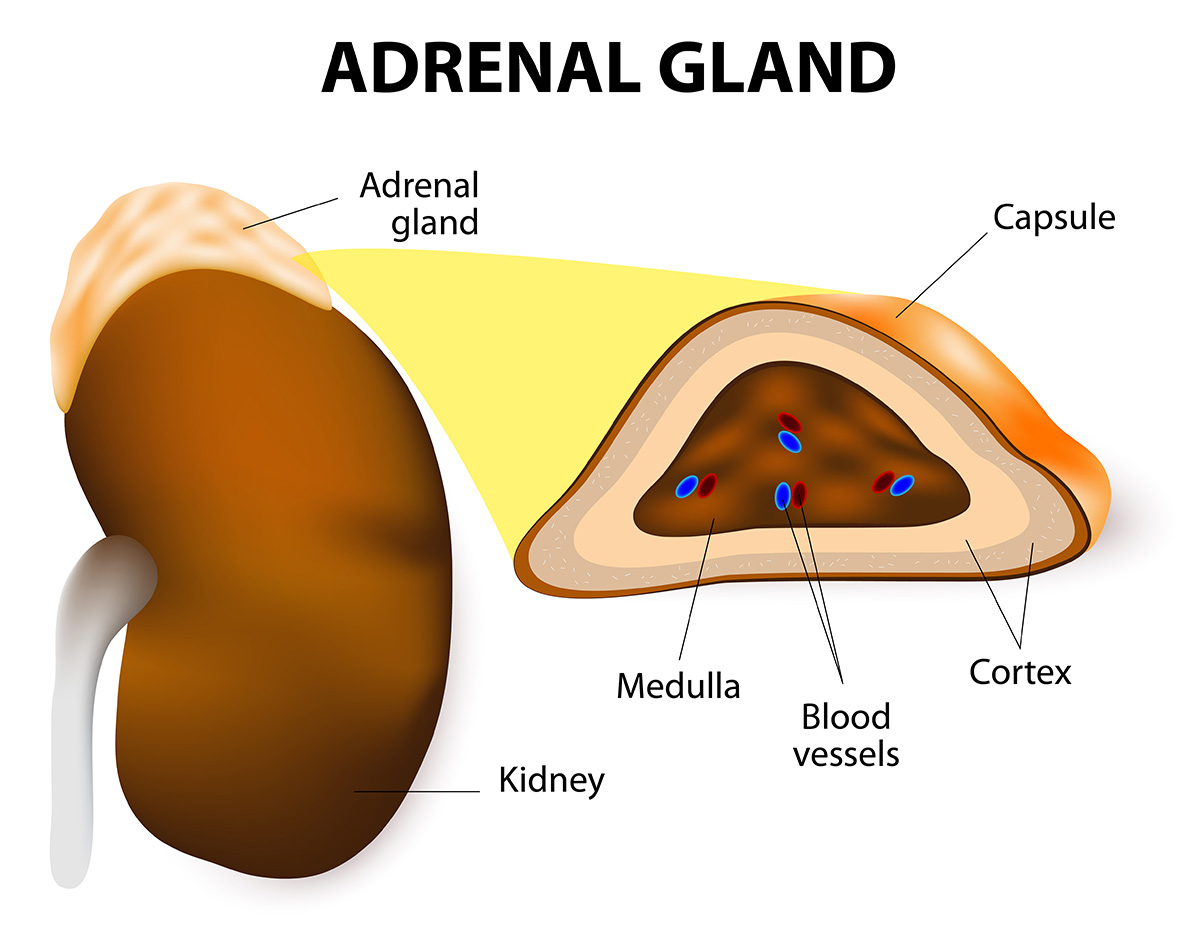
The adrenal glands are two small, triangular-shaped glands located on top of each kidney. They produce essential hormones that regulate:
- Blood pressure
- Metabolism
- Stress response
- Salt and water balance
- Heart rate
- Immune system function
These hormones include cortisol, aldosterone, adrenaline, and noradrenaline.
When the adrenal glands produce too much or too little hormone—or develop tumors—it leads to adrenal gland disorders that require evaluation by an experienced endocrinologist or endocrine surgeon.
Common adrenal gland disorders
1. Adrenal tumors
Most adrenal tumors are benign (non-cancerous) and discovered incidentally during scans. These are called adrenal incidentalomas.
They may be:
- Non-functioning (no hormone excess)
- Functioning (produce excess hormones)
Large or hormone-secreting tumors may require surgical removal (adrenalectomy).
2. Cushing's syndrome
Cushing's syndrome occurs when the body produces excess cortisol.
Symptoms:
- Rapid weight gain (especially face and abdomen)
- Moon-shaped face
- Purple stretch marks
- High blood pressure
- Diabetes
- Muscle weakness
Treatment often involves surgical removal of the affected adrenal gland.
3. Primary hyperaldosteronism (Conn's syndrome)
Caused by excess aldosterone production.
Symptoms:
- High blood pressure
- Low potassium levels
- Muscle cramps
- Fatigue
Surgery is recommended if caused by a single adrenal adenoma.
4. Pheochromocytoma
A rare tumor that produces excess adrenaline.
Symptoms:
- Sudden high blood pressure
- Severe headaches
- Sweating
- Palpitations
- Anxiety attacks
This condition requires careful medical preparation before surgery.
5. Addison's disease (adrenal insufficiency)
Occurs when adrenal glands do not produce enough cortisol.
Symptoms:
- Extreme fatigue
- Weight loss
- Low blood pressure
- Skin darkening
- Salt craving
It is treated with lifelong hormone replacement therapy.
Symptoms of adrenal disorders
- Uncontrolled hypertension
- Sudden weight changes
- Excess sweating
- Fatigue
- Hormonal imbalance
- Anxiety or panic-like symptoms
- Muscle weakness
- Electrolyte abnormalities
Any unexplained hormonal changes require medical evaluation.
How are adrenal disorders diagnosed?
An endocrine specialist may recommend:
- Blood hormone tests
- 24-hour urine hormone analysis
- CT scan or MRI of abdomen
- PET scan (if cancer suspected)
- Adrenal vein sampling (in selected cases)
Accurate diagnosis is essential before deciding treatment.
Treatment options
Treatment depends on the specific disorder:
1. Medical management
- Hormone replacement
- Blood pressure control
- Medications to block hormone production
2. Adrenalectomy (surgical removal)
Recommended for:
- Hormone-producing tumors
- Large tumors (>4 cm)
- Suspicious or cancerous growth
Minimally invasive laparoscopic adrenalectomy offers:
- Smaller incisions
- Faster recovery
- Less pain
- Short hospital stay
Recovery after adrenal surgery
- Hospital stay: 2–4 days
- Return to routine: 2–3 weeks
- Temporary hormone support may be needed
- Regular follow-up for hormone monitoring
Most patients experience significant improvement in blood pressure and hormonal symptoms after surgery.
When to consult an endocrine surgeon?
Consult a specialist if you have:
- Resistant or unexplained high blood pressure
- Adrenal mass detected on scan
- Symptoms of hormone excess
- Electrolyte imbalance
- Suspected adrenal tumor
Early expert evaluation ensures safe and effective treatment.
Book a consultation
If you have been diagnosed with an adrenal tumor or hormone imbalance, schedule a consultation with an experienced endocrine surgeon for comprehensive evaluation and advanced treatment options.

Dr. Farheen Khan
MS (General Surgery), CMC Vellore
MCh (Endocrine Surgery), SGPGI Lucknow
Expert Endocrine Surgeon in Delhi NCR