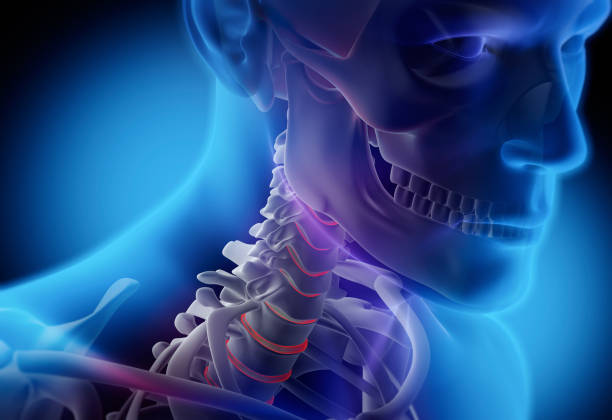
Neck dissection surgery – comprehensive guide by head & neck oncosurgeon
Neck dissection is a surgical procedure performed to remove lymph nodes and surrounding tissues from the neck to treat or prevent the spread of cancer. It is most commonly done in patients with head and neck cancers, including cancers of the oral cavity, thyroid, larynx, pharynx, and salivary glands.
The procedure is performed by an experienced head and neck oncosurgeon to ensure complete cancer clearance while preserving vital structures such as nerves, blood vessels, and muscles whenever possible.
Why is neck dissection needed?
Cancer cells can spread (metastasize) from the primary tumor to nearby lymph nodes in the neck. Neck dissection is recommended when:
- Cancer has spread to neck lymph nodes
- Imaging shows suspicious lymph nodes
- High risk of microscopic spread
- Recurrent head and neck cancer
Removing affected lymph nodes improves survival and reduces recurrence risk.
Types of neck dissection
1. Radical neck dissection
Removes all lymph node groups on one side. Also removes certain muscles, veins, and nerves if involved. Used in advanced disease cases.
2. Modified radical neck dissection
Removes lymph nodes and preserves one or more non-lymphatic structures (nerve, muscle, or vein). Commonly performed for many cancers.
3. Selective neck dissection
Removes only specific lymph node levels and preserves most normal structures. Used in early-stage or preventive cases.
4. Bilateral neck dissection
Performed on both sides of the neck if cancer spread is present bilaterally.
Conditions that may require neck dissection
- Oral cancer
- Thyroid cancer with lymph node spread
- Laryngeal cancer
- Hypopharyngeal cancer
- Salivary gland cancer
- Skin cancers of head and neck
Early evaluation ensures appropriate treatment planning.
How is neck dissection performed?
- Anesthesia: General anesthesia
- Duration: 2–5 hours (depending on extent)
- Incision: Curved incision along natural neck crease
- Hospital Stay: 3–7 days
The surgeon carefully removes affected lymph nodes while preserving important nerves that control shoulder movement, speech, and facial function whenever possible.
Risks and possible complications
Like all major surgeries, neck dissection may have risks:
- Swelling and bruising
- Temporary shoulder weakness
- Numbness around neck or ear
- Bleeding
- Infection
- Rare nerve injury
Choosing an experienced oncosurgeon significantly reduces complications.
Recovery after neck dissection
- Drain tubes may be placed temporarily
- Mild to moderate pain for a few days
- Shoulder physiotherapy recommended
- Return to normal activity in 2–4 weeks
- Additional treatment (radiation or chemotherapy) may follow
Regular follow-up is essential for cancer surveillance.
Benefits of neck dissection
- Removes cancer spread
- Reduces recurrence risk
- Improves long-term survival
- Provides accurate cancer staging
- Enhances treatment planning
It plays a crucial role in comprehensive cancer management.
When to consult a head & neck oncosurgeon?
Seek medical consultation if you have:
- Persistent neck swelling
- Enlarged lymph nodes
- Diagnosed head and neck cancer
- Suspicious neck mass on imaging
- Recurrent cancer
Early specialist evaluation improves treatment outcomes.
Book a consultation
If you or a loved one has been diagnosed with head and neck cancer, consult an experienced head and neck oncosurgeon for expert evaluation and advanced surgical care.

Dr. Farheen Khan
MS (General Surgery), CMC Vellore
MCh (Endocrine Surgery), SGPGI Lucknow
Expert Endocrine Surgeon in Delhi NCR