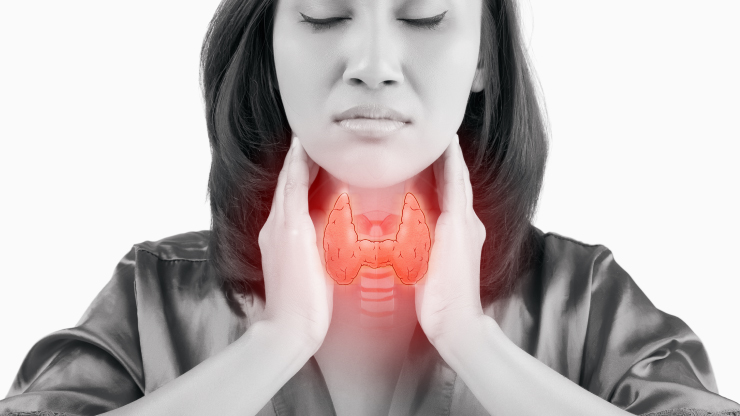
Is Every Thyroid Nodule Cancer? Myths vs Facts
Thyroid nodules are a common health concern, especially among adults. Hearing the word "nodule" can be alarming, and many people immediately associate it with cancer. But is every thyroid nodule cancerous? The answer is no. In this blog, we'll break down the myths and facts to help you better understand thyroid nodules and when to seek medical attention.
What is a Thyroid Nodule?
A thyroid nodule is a lump or growth that forms within the thyroid gland, located at the front of your neck. These nodules can be solid or filled with fluid and may vary in size.
Most thyroid nodules are discovered during routine physical exams or imaging tests done for other reasons.
Myth vs Fact: Understanding the Truth
🔴 Myth 1: Every Thyroid Nodule is Cancerous
✅ Fact: The majority of thyroid nodules are benign (non-cancerous). In fact, only about 5–10% of thyroid nodules turn out to be cancerous.
🔴 Myth 2: Thyroid Nodules Always Cause Symptoms
✅ Fact: Most nodules are asymptomatic and do not cause noticeable problems. However, larger nodules may lead to:
- Difficulty swallowing
- A visible lump in the neck
- Hoarseness or voice changes
🔴 Myth 3: All Thyroid Nodules Need Surgery
✅ Fact: Not all nodules require surgical removal. Treatment depends on:
- Size and appearance of the nodule
- Results of diagnostic tests
- Presence of symptoms
Many nodules can be safely monitored with regular check-ups.
🔴 Myth 4: Thyroid Nodules Only Affect Women
✅ Fact: While thyroid nodules are more common in women, men can also develop them. However, nodules in men may have a slightly higher risk of being cancerous.
🔴 Myth 5: A Biopsy Means Cancer is Confirmed
✅ Fact: A biopsy, specifically a Fine Needle Aspiration (FNA), is used to diagnose the nature of the nodule—not confirm cancer. Most biopsy results show benign conditions.
Causes of Thyroid Nodules
Thyroid nodules can develop due to several reasons, including:
- Iodine deficiency
- Overgrowth of thyroid tissue
- Thyroid cysts (fluid-filled nodules)
- Inflammation (thyroiditis)
- Benign tumors (adenomas)
- Thyroid cancer (rare)
How Are Thyroid Nodules Diagnosed?
Doctors use a combination of tests to evaluate thyroid nodules:
- Physical Examination
- Thyroid Function Tests (T3, T4, TSH)
- Ultrasound Imaging
- Fine Needle Aspiration (FNA) Biopsy
These tests help determine whether the nodule is benign or requires further treatment.
When Should You See a Doctor?
Consult a healthcare professional if you notice:
- A lump in your neck
- Rapid growth of a nodule
- Difficulty breathing or swallowing
- Persistent hoarseness
Early evaluation ensures proper diagnosis and peace of mind.
Treatment Options
Treatment depends on the diagnosis:
- Observation: Regular monitoring for benign nodules
- Medication: To manage thyroid hormone levels
- Radioactive Iodine Therapy: For overactive nodules
- Surgery: Recommended if the nodule is large, symptomatic, or cancerous
Key Takeaway
Not every thyroid nodule is cancer. In fact, most are harmless and manageable with proper medical care. Understanding the difference between myths and facts can reduce anxiety and help you make informed health decisions.

Dr. Farheen Khan
MS (General Surgery), CMC Vellore
MCh (Endocrine Surgery), SGPGI Lucknow
Expert Endocrine Surgeon in Delhi NCR